Journal
Is dance a complete sport?
We sometimes forget that dancing is also a workout, and no small one. A tour of what dance works in the body.
The whole body, all at once
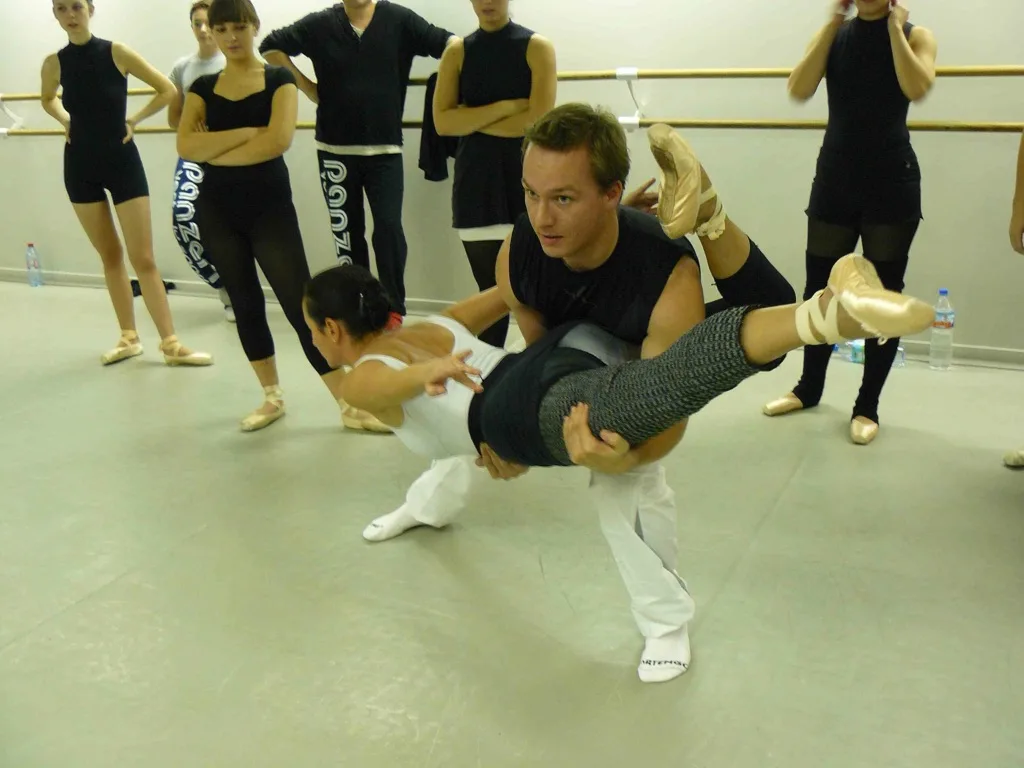
Dance works the legs, the back, the abdominals, the arms, right down to the smallest stabilising muscles that no gym machine really targets. Where many sports isolate one area, it engages the whole body in coordination: a simple balance calls on the feet, the legs, the core, the back and the gaze, all at the same time. It is whole-body work, constant, where nothing operates alone. That is why an hour of dance tires you so pleasantly, and so deeply.
Flexibility, strength and stamina
A lesson strings together warm-up, strengthening, jumps and sustained travelling: the heart works, the breath settles in, the muscles lengthen and tone. Over a season, flexibility and stamina improve markedly, often faster than you would imagine. And contrary to a common belief, flexibility is not a prerequisite: it is gained by dancing. We explain this in the article "Do you need to be flexible to dance?". Strength and range advance together, gently.
Posture and balance
This is perhaps the most valuable benefit day to day: dance straightens, tones, aligns. It sharpens balance and awareness of the body in space, two qualities that decline with a sedentary life. The result: a better-held back, surer footing, a more confident bearing. Enough to ease back pain and the tensions of desk work, at any age. Many adult pupils find they hold themselves better, walk better, breathe better, without even thinking about it.
A brain that works too
Dance is not just a matter of muscles. Memorising a sequence, listening to music and translating it into movement, coordinating right and left: all of this strengthens attention, memory and coordination. The body works, but so does the mind, a valuable mental gymnastics, from children to seniors. It is also what makes the practice so stimulating: you never repeat mechanically, you think as you move.
A sport for every age
Where some sports wear down the joints, dance, well taught and practised on a suitable floor, remains possible for a very long time. At the Atelier du Mouvement, the Allegro Harlequin floor, the standard of the Paris and London opera houses, protects knees and ankles. You start at age 4 with the awakening class and can dance well beyond 60 in the adult groups: few physical activities last so well.
Different emphases, depending on the discipline
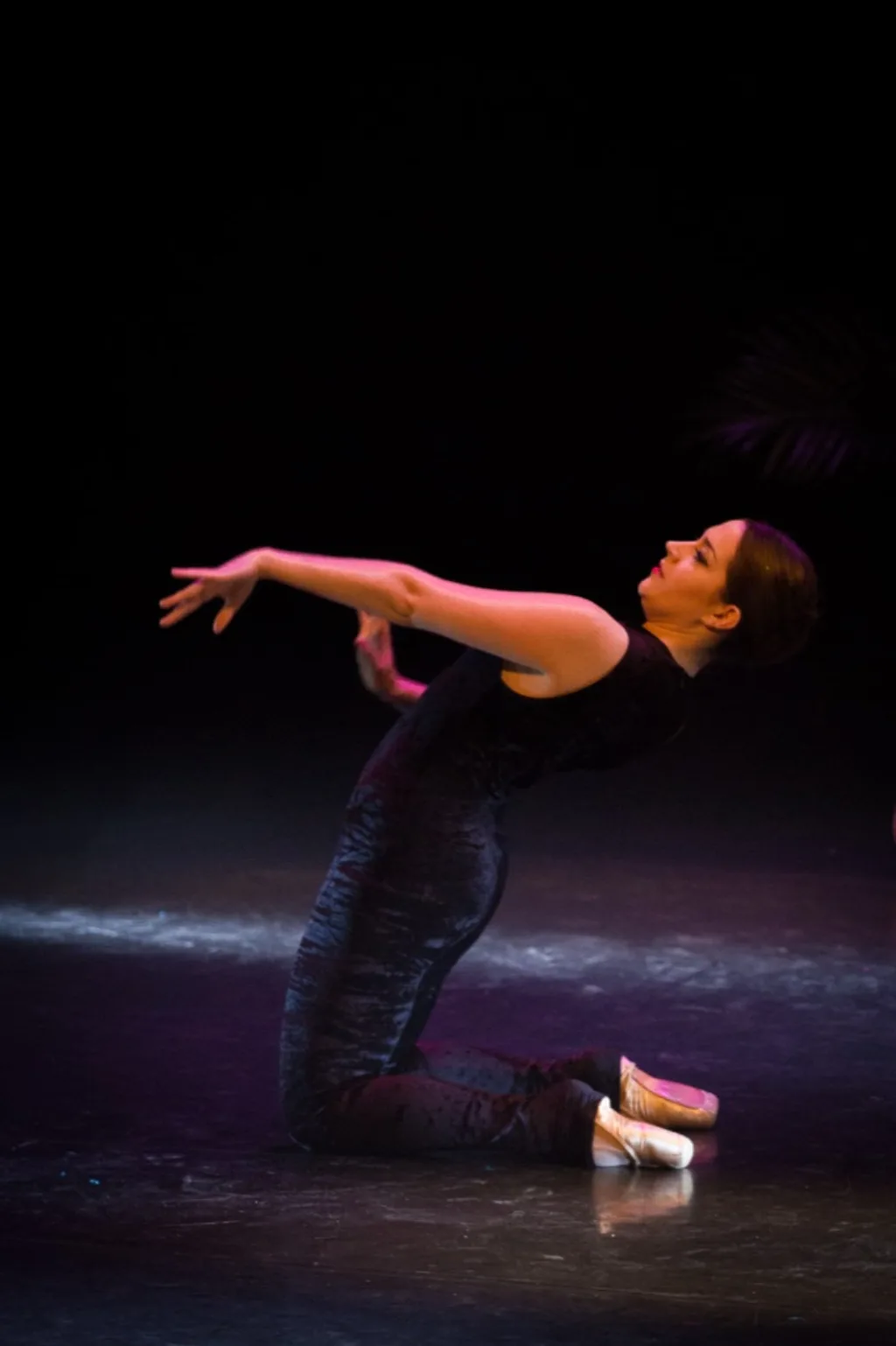
Not every dance works the body in the same way, and so much the better. Ballet works placement, poise and muscular finesse; modern jazz adds stamina and explosiveness; street jazz leans on grounding and groove; contemporary develops the mobility of the back and the relationship with the floor. Depending on what you are after (toning up, letting off steam or gaining flexibility), one discipline will suit you better than another. Our find my class tool helps you decide.
A sport, and much more
Unlike a gym, dance adds music, expression, the pleasure of creating. It is that extra soul which brings you back each week, where so many fitness resolutions run out of breath after a month. You make progress without counting the cost, because you enjoy it, and the body follows without your feeling that you are "working out". Try it for yourself: the first lesson is free, including for an adult beginner.